
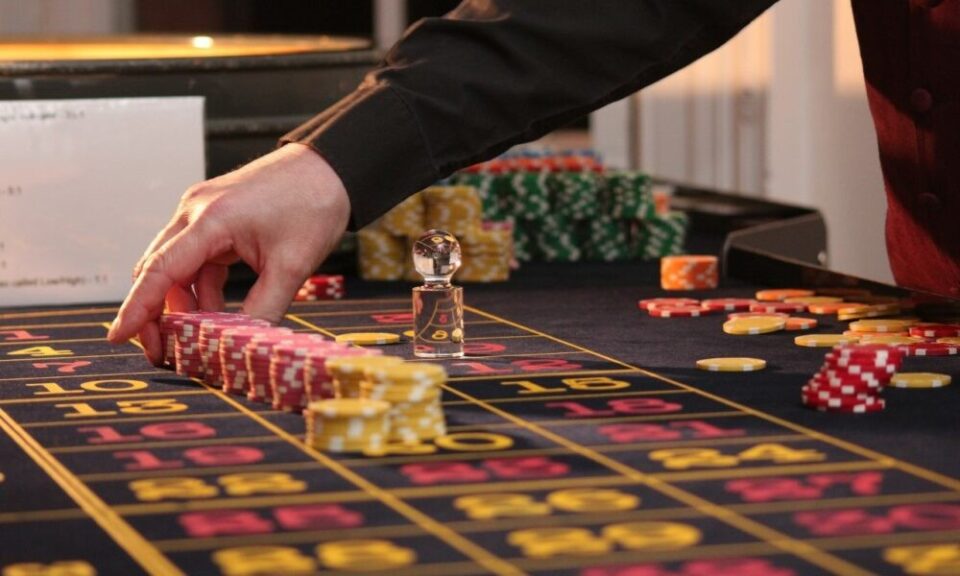
Number balance is something many draw participants think about without always articulating why. When selecting numbers for a draw entry, the instinct to spread selections across the available range, rather than clustering them toward one end, is remarkably common. This tendency toward balance between high and low numbers reflects genuine เว็บหวยลาว player thinking about the distribution of winning combinations. Regardless of how that thinking is based, it shapes selection behavior consistently.
Draw entry highs and lows
Online lottery draws using a standard number pool categorise the available range into a lower and upper half. A game draws six numbers from a pool of fifty, placing the first 25 numbers in the lower half and the rest in the upper half. The balanced entry combines both halves. The odds of matching the drawn result are the same whether you combine the lower half, the upper half, or both. The draw mechanism has no preference for where within the number pool a combination sits. Balance in the numerical sense does not translate into a probability advantage.
What balance affects is how an entry feels to the player constructing it. A combination that draws entirely from single-digit numbers feels incomplete to most participants, even when they understand it carries the same odds as any other combination. That feeling drives the balancing behavior more reliably than any analytical conclusion about draw outcomes.
How do players approach the split?
Players who think deliberately about the high-low balance approach their selection with an informal target in mind. A roughly even split, three numbers from the lower half and three from the upper in a six-number game, is the most commonly reported target among participants who describe their selection process consciously.
Fewer players aim for precise mathematical splits. Most work toward approximate balance, choosing several numbers they are drawn to regardless of position and then adjusting remaining selections to fill out the range. The adjustment is the key behavior. It reveals that balance functions as a corrective instinct applied after initial intuitive choices rather than as a framework built before selection begins. Some players apply a more structured approach:
- Selecting one number from each third rather than dividing it in half.
- No more than two consecutive numbers from the same range section in a single entry.
- Using platform frequency tools to identify which sections of the number pool have appeared most often in recent draws and weighting selections accordingly.
Player selection patterns
Draw operators and lottery researchers who have analyzed large volumes of player-submitted combinations consistently find that entirely high or entirely low combinations are underrepresented relative to what pure random selection would produce. Players avoid extreme clustering even when no rule prohibits it, which confirms that balancing behavior operates as a default tendency rather than an occasional choice.
This has secondary implications for prize sharing. Combinations with an even distribution are more popular. A jackpot won by a balanced combination is more likely to be shared between multiple ticket holders than one won by an unusual cluster. Low-heavy, high-heavy, or other non-intuitive distributions are more likely to produce draws with fewer players holding the same combination at once.
Quick picks and natural distribution
Platform-generated quick pick combinations produce outputs without awareness of balance as a concept. The random number generator selects from the available pool without referencing where previous selections in the same combination have landed. The result is combinations that sometimes appear balanced and sometimes do not, distributed across the full range of possible high-low splits without any corrective tendency. Over a large number of generated combinations, quick picks naturally produce a distribution that mirrors the mathematical spread of all possible combinations. No split is favored, which means quick pick outputs include the full range of high-heavy, low-heavy, and balanced combinations that manual selectors tend to filter toward the middle.
