
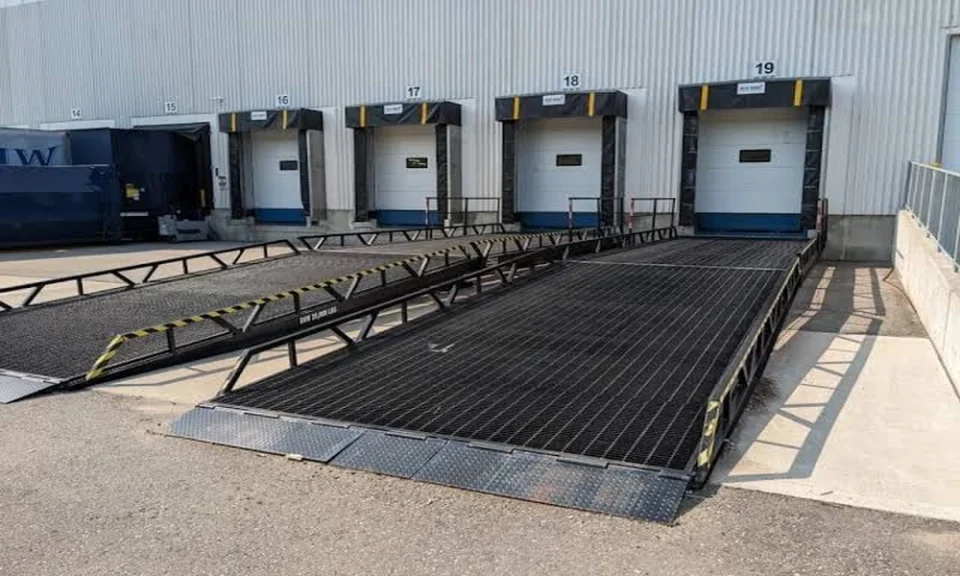
Chaos at the loading dock costs time, damages goods, and puts workers at risk. Yet, with the right accessories, a hectic dock becomes an efficient and secure link in the supply chain. Modern loading zones rely on an evolving set of tools designed to boost workflow and protect both personnel and cargo.
What Are Dock Loading Zone Accessories and Why Do They Matter?
Every loading dock is more than just a platform and a door. Accessories such as dock levelers, vehicle restraints, lighting, and specialized tables transform these areas into streamlined hubs for logistics. They minimize manual labor, reduce risk, and keep traffic moving, even under pressure.
Key Components of Dock Loading Zones
A fully equipped loading zone typically features:
– Dock levelers for bridging gaps between trucks and the building
– Retention hooks (vehicle restraints) for securing trucks during loading
– Dock lifts and scissor tables for vertical movement of heavy loads
– Bumpers, wheel chocks, and lighting for added protection and visibility
– Electric door openers for hands-free operation
Impact of Accessories on Workflow Efficiency
Accessories eliminate time-consuming workarounds. Dock lifts adjust for variable truck heights. Scissor tables bring heavy pallets to ergonomic levels, slashing manual handling. Lighting and bumpers speed up positioning and minimize fumbling, driving productivity higher.
Contribution to Safety Standards
Statistics repeatedly show that loading docks are hotspots for workplace injuries. Vehicle restraints and wheel chocks prevent trailer creep and unintended movement. Barriers and warning lights help avoid costly accidents. Every accessory is another layer of defense.
How Do Dock Levelers Enhance Loading Operations?
A well-chosen dock leveler removes the headaches of mismatched heights between loading bays and trucks. These devices create a smooth path for forklifts and pallet jacks, reducing delays and accidents.
Types of Dock Levelers: Hydraulic, Mechanical, Pneumatic
– Hydraulic: Operated with push-button controls, offering smooth, low-effort operation and excellent safety.
– Mechanical: Spring-loaded, manually operated. Reliable but require more effort to use.
– Pneumatic: Use air power for lifting. Quiet, efficient, and less maintenance than some hydraulics.
Choosing the Right Dock Leveler for Your Operation
Consider the volume and type of traffic, weight capacities, and your maintenance culture. High-traffic docks with heavy loads often benefit from hydraulic models. Small operations with lighter loads may find mechanical or pneumatic levelers sufficient.
Maintenance Tips to Ensure Reliability
Regular inspections and lubrication prevent unexpected breakdowns. Hydraulic units need occasional fluid checks. Mechanical springs may require tension adjustments. Keeping debris clear ensures smooth operation.
In What Ways Do Retention Hooks Improve Safety?
Vehicle creep, where trucks shift during loading, is one of the leading causes of dock injuries. Retention hooks, also known as vehicle restraints, hold trailer wheels or rear impact guards securely in place.
Mechanism and Installation of Retention Hooks
Modern hooks are touch-controlled for ease and reliability. Most models, like those from Dor Docteur portes de quai de chargement, are simple to install, fit a variety of truck styles, and can be integrated into existing dock controls.
Preventing Accidents Through Secure Truck Positioning
By physically locking trailers to the dock, retention hooks eliminate the risk of separation while forklifts are in motion. This direct approach sharply cuts down incidents involving trailer walk or early departure.
Environmental and Operational Benefits
Many retention systems use low-energy components that lower utility costs. Reliable operation means less downtime and fewer emergency repairs.
What Role Do Dock Lifts and Scissor Tables Play in Material Handling?
Not every truck matches your dock height. Dock lifts solve this by raising or lowering cargo to the right level for loading or unloading.
Comparing Portable and Semi-Portable Dock Lifts
– Portable lifts: Flexible, can be repositioned for various tasks across multiple docks.
– Semi-portable lifts: More permanent, suited for docks with consistent height variances.
Scissor Tables: Features and Use Cases
Scissor tables provide smooth vertical movement for inventory assembly, repairs, or shifting pallets between levels. Their stable platforms support even the heaviest loads while keeping personnel safe.
Reducing Injuries and Equipment Damage
Adjustable lifts and tables mean workers avoid back strain and awkward lifting. Equipment lasts longer, and costly drop incidents become rare.
How Can Conversion Kits Extend the Life and Functionality of Existing Equipment?
Older docks need not lag behind. Conversion kits swap mechanical parts with hydraulic upgrades, or vice versa, often for less than full replacement.
Overview of Mechanical vs Hydraulic Conversion Kits
Mechanical kits are simple and reliable. Hydraulic kits offer smoother, quieter, and safer operation, particularly beneficial for high-traffic docks.
Cost Savings and Efficiency Improvements
Upgrading with conversion kits often slashes energy and repair bills. The smoother operation also means less wear and tear on both equipment and personnel.
Installation and Maintenance Considerations
Many kits are designed for quick install during scheduled downtime and come with comprehensive service options.
Which Additional Accessories Optimize Loading Zone Performance?
Small add-ons can make a world of difference in a busy dock environment.
Lighting Solutions for Improved Visibility
LED dock lights illuminate shadowy corners, helping drivers and loaders see clearly even on overcast days or night shifts.
Bumpers and Wheel Chocks for Enhanced Protection
Dock bumpers absorb shock from trucks backing in, while wheel chocks provide an extra layer of trailer stability. Both are simple safeguards against costly damage.
Electric Door Openers and Their Advantages
Touchless door openers mean one less surface to touch and one fewer pinch hazard to worry about, all while speeding up the pace of operations.
How to Choose the Right Accessories to Match Your Specific Loading Dock Needs?
Start by auditing current pain points: Are there frequent delays, accidents, or maintenance issues? Map out workflows and identify where accessories could have the biggest impact.
Customizing Accessory Combinations Based on Use Case
Each facility is unique. High-volume urban docks may need advanced restraints and rapid roll-up doors, while rural centers might prioritize versatile lifts and energy-efficient lighting.
Partnering with Suppliers for Tailored Solutions
Leverage expert support for guidance on selection, installation, and ongoing service for your unique environment.
What Are Best Practices for Installing and Maintaining Dock Loading Zone Accessories?
Professional installation is usually best for complex equipment, but some accessories are DIY-friendly. Routine inspections catch wear before it becomes failure, and keeping staff up to date on safe, proper use maintains both efficiency and safety.
By investing wisely in accessories and ongoing care, loading zones become both faster and far safer, setting a new standard for productivity in modern logistics.
