
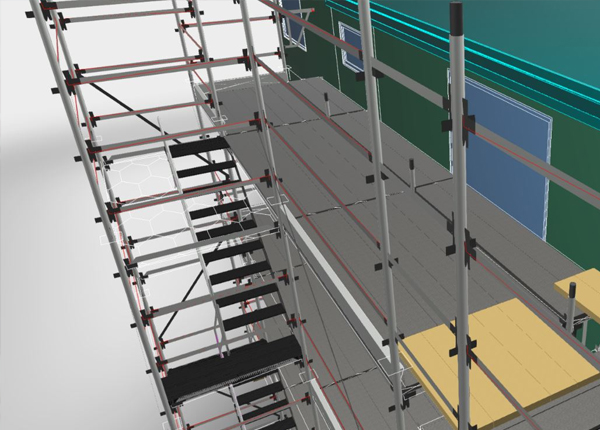
Scaffolding is a cornerstone of construction and industrial projects, providing safe and stable platforms for workers to perform tasks at height. But while scaffolds may appear simple, their design and installation are complex and regulated. Certification by a qualified engineer is often a legal and safety requirement—ensuring that scaffolding structures can withstand expected loads, environmental forces, and usage demands.
So, how exactly are scaffold designs certified by engineers? Let’s break down the process from concept to final approval.
1. Initial Site Assessment
Before designing a scaffold, engineers conduct a thorough site inspection. This includes evaluating:
- Terrain and soil conditions
- Proximity to existing structures
- Expected weather conditions
- Height and dimensions of the project
- Access points and egress routes
This assessment helps engineers determine what type of scaffold is appropriate—whether it’s supported, suspended, cantilevered, or system scaffolding.
2. Structural Design and Load Calculations
Using site data, engineers begin designing the scaffold. They calculate:
- Live loads (workers, tools, materials)
- Dead loads (weight of the scaffold itself)
- Dynamic forces (movement, shifting loads)
- Wind and weather loads
These calculations must adhere to industry standards such as OSHA (in the U.S.), CSA (in Canada), or EN standards (in Europe). The design must ensure that the scaffold remains stable under all expected conditions without excessive deflection or risk of collapse.
Software tools like AutoCAD, Revit, and structural analysis programs are used to produce precise drawings and simulations.
3. Material Selection and Safety Features
Engineers specify materials that match the structural requirements, including aluminum or steel components, base plates, bracing, guardrails, and toe boards. Proper anchorage and tie-ins to the building or structure are also planned.
Additional safety features—such as anti-slip surfaces, stair towers, or hoist systems—are incorporated to ensure the scaffold supports safe daily operations.
4. Drafting and Stamping the Design
Once the scaffold design is complete, the engineer prepares detailed drawings showing:
- Elevations and sections
- Anchor points
- Load ratings
- Access pathways
- Guardrails and netting
These documents are then reviewed and stamped by the licensed engineer, certifying that the design complies with all applicable codes and safety standards.
In the middle of complex urban and industrial projects, an ingénieur échafaudage NadeauSDM brings the specialized expertise needed to ensure both regulatory compliance and field-ready practicality. Known for combining technical precision with on-site responsiveness, these professionals are trusted across Quebec and beyond for scaffold design certification.
5. On-Site Review and Installation Oversight
After the design is approved, scaffold erection begins. Engineers or their delegates visit the site to verify that the scaffold is built exactly according to plan. Any deviations—due to field conditions or unforeseen obstacles—must be addressed with revised drawings or reinforcement details.
These inspections are vital in catching installation errors that could compromise structural safety.
6. Final Certification and Documentation
Once the scaffold is built and inspected, the engineer issues a final certification letter or sign-off document, which may be required by local building authorities, safety inspectors, or insurance providers. This document confirms that the scaffold is safe for use and built in accordance with the engineered design.
Some jurisdictions require re-certification if the scaffold is altered, moved, or in use for an extended period.
Conclusion
Scaffold certification is not just a formality—it’s a critical safety measure that protects workers and ensures regulatory compliance. Engineers play a central role in this process, from initial design to final inspection. With experts like those at NadeauSDM leading the charge, scaffold systems become not only functional but exceptionally safe and reliable.
