
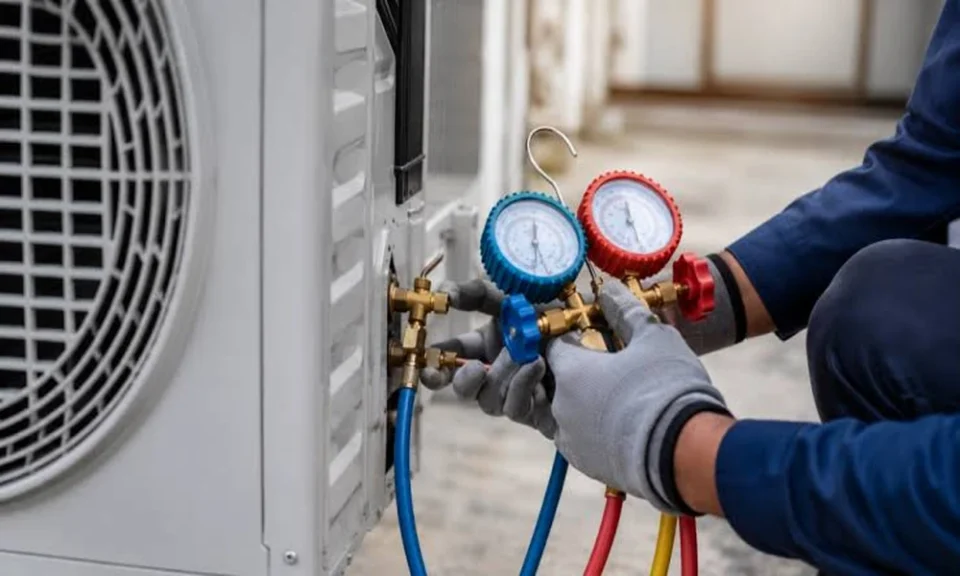
A sudden increase in energy bills or noticeable temperature differences between rooms could indicate that your heating and cooling system is not operating efficiently. Even when an HVAC system appears to function normally, underlying issues can affect its performance, increase energy consumption, and reduce indoor comfort.
Homeowners experiencing these problems may benefit from scheduling professional maintenance. Searching for HVAC tune up Chesterfield, MO can help homeowners find maintenance services to identify potential faults, address performance concerns, and keep their heating and cooling equipment operating efficiently throughout the year.
Why Rising Energy Bills Could Signal HVAC Problems
Heating and cooling equipment requires energy to maintain comfortable indoor temperatures. However, when internal components become dirty, worn, or poorly adjusted, the system may need to operate longer to achieve the desired temperature.
Clogged air filters, dirty evaporator coils, and restricted airflow can contribute to reduced efficiency. These problems may develop gradually, making them difficult to notice until monthly utility expenses increase.
Before assuming your HVAC system is responsible, compare your recent energy consumption with previous billing periods. Consider changes in utility rates, outdoor temperatures, and household energy usage. If consumption continues to increase without an obvious explanation, professional maintenance may help identify the underlying cause.
What Causes Uneven Temperatures Throughout Your Home?
Temperature differences between rooms often indicate problems with air distribution or system performance. Some areas may receive adequate heating or cooling, while others remain uncomfortable despite thermostat adjustments.
Blocked vents, leaking ductwork, dirty filters, and blower motor problems can restrict the movement of conditioned air. Incorrect thermostat readings may also cause the system to stop operating before certain rooms reach the desired temperature.
However, HVAC equipment is not always responsible. Poor insulation, drafty windows, and excessive sunlight can contribute to temperature differences. Identifying whether the problem originates from the equipment or the building itself helps homeowners make informed decisions about maintenance and repairs.
Common Warning Signs Your HVAC System Needs Maintenance
Heating and cooling systems often display warning signs before experiencing significant performance problems. Paying attention to these changes can help homeowners address concerns before they become more serious.
Look out for the following signs:
- Increasing energy consumption: Higher electricity or gas usage without significant changes in household habits.
- Frequent cycling: The system repeatedly switches on and off without maintaining consistent temperatures.
- Weak airflow: Reduced air circulation from supply vents despite normal thermostat settings.
- Unusual noises: Rattling, buzzing, or grinding sounds coming from HVAC equipment.
- Inconsistent temperatures: Noticeable differences in comfort between rooms.
- Excessive indoor humidity: Difficulty maintaining comfortable moisture levels during warmer weather.
- Extended operating cycles: Heating or cooling equipment runs longer than usual to reach the selected temperature.
Persistent warning signs deserve attention, even when the equipment continues to operate.
What Happens During a Professional HVAC Tune-Up?
A professional tune-up involves inspecting, cleaning, testing, and adjusting relevant heating and cooling components. The specific maintenance tasks depend on the equipment type, its condition, and the manufacturer’s recommendations.
Technicians may inspect electrical connections, check thermostat operation, examine coils, assess airflow, and test system controls. Furnace maintenance may also involve examining burners, ignition components, and combustion safety features.
When arranging an HVAC tune up Chesterfield, MO, homeowners should ask which maintenance tasks are included and whether the technician will explain any problems discovered during the inspection.
A thorough assessment can distinguish routine maintenance requirements from faults requiring additional repairs. Understanding this difference helps homeowners budget appropriately and avoid overlooking developing equipment problems.
How Routine Maintenance Supports Energy Efficiency
Heating and cooling systems operate more effectively when their components are clean and functioning correctly. Dirty coils can interfere with heat transfer, while restricted filters can reduce airflow and affect overall performance.
Regular maintenance helps address these conditions before they significantly interfere with normal operation. Properly functioning components may allow equipment to maintain comfortable temperatures without unnecessarily extended operating cycles.
However, maintenance cannot guarantee lower energy bills. Equipment age, system sizing, household insulation, thermostat settings, and outdoor weather also influence energy consumption. Homeowners should consider these factors when evaluating the effectiveness of a tune-up.
Simple Maintenance Tasks Homeowners Can Perform
Homeowners can support HVAC performance through several basic maintenance habits. Checking air filters regularly and replacing them according to manufacturer recommendations is an important starting point.
Keep furniture, curtains, and other household items away from supply and return vents. Restricted airflow can affect comfort and interfere with normal system operation. Outdoor units should also have adequate clearance from vegetation, leaves, and other debris.
Review thermostat settings periodically and avoid unnecessary temperature adjustments. Programmable thermostats can help establish consistent heating and cooling schedules based on household routines.
Leave electrical repairs, refrigerant handling, combustion inspections, and internal mechanical adjustments to qualified technicians.
When Is the Best Time to Schedule an HVAC Tune-Up?
Seasonal maintenance helps prepare heating and cooling equipment for periods of increased demand. Spring is generally a suitable time for air conditioning maintenance, while fall provides an opportunity to inspect heating equipment before colder weather arrives.
Systems that provide both heating and cooling throughout the year may benefit from maintenance before both seasons. Follow the equipment manufacturer’s recommended service intervals.
Homeowners should not delay maintenance until the next scheduled appointment if they notice unusual sounds, declining performance, or persistent temperature inconsistencies.
When Maintenance Alone May Not Be Enough
Although routine servicing can address many performance concerns, some HVAC problems require more extensive repairs. Damaged motors, refrigerant leaks, failing compressors, deteriorating ductwork, and malfunctioning electrical components may require separate attention.
Older equipment experiencing repeated breakdowns may also warrant a replacement assessment. Consider the system’s condition, repair history, energy consumption, and anticipated repair costs before making a decision.
A qualified technician can assess whether maintenance, targeted repairs, duct improvements, or equipment replacement offers the most practical solution. Addressing the underlying problem is more effective than repeatedly treating its symptoms.
Final Thoughts
Rising energy bills, uneven temperatures, restricted airflow, and unusual operating sounds can indicate declining HVAC performance. Regular inspections, appropriate maintenance, and sensible household habits can help improve indoor comfort, support energy efficiency, and reduce avoidable equipment wear.
If these problems persist, searching for HVAC tune up Chesterfield, MO can help you arrange a professional system assessment. Prioritize early inspections, follow manufacturer maintenance recommendations, and address identified faults promptly to support reliable heating and cooling throughout the year.
