
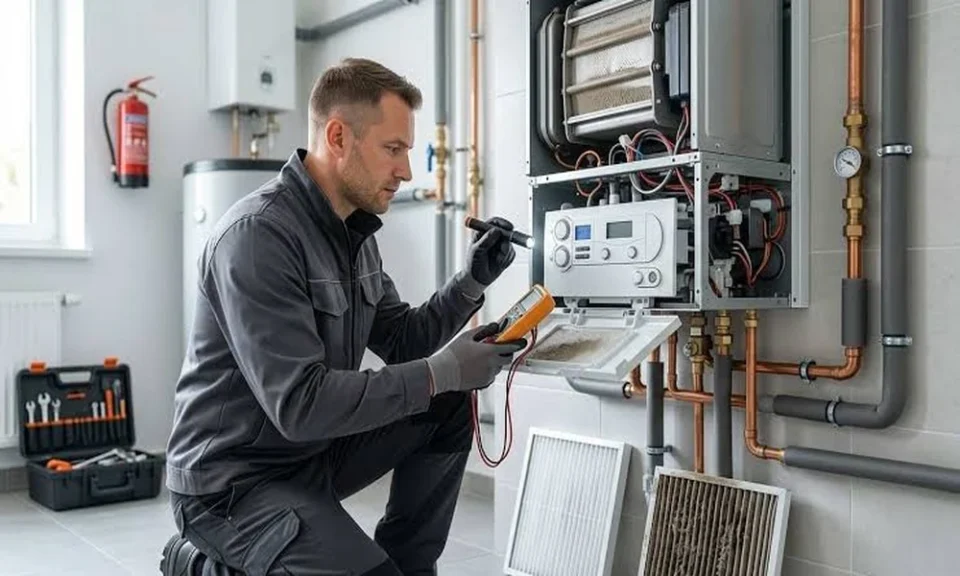
A heating system rarely stops working without showing some warning signs beforehand. Unusual noises, inconsistent temperatures and unexplained increases in energy consumption can indicate developing problems. Unfortunately, many homeowners overlook these early symptoms until their heating equipment stops working completely, often when reliable warmth is needed most.
Recognising potential heating faults early can help prevent unexpected breakdowns and expensive repairs. Whether your home uses a furnace, heat pump or another heating system, understanding normal operating behaviour makes it easier to spot changes. Regular inspections, basic maintenance and timely professional attention can help keep equipment operating safely and efficiently.
Uneven Heating and Inconsistent Room Temperatures
One of the earliest signs of heating trouble is uneven temperature distribution. Some rooms may feel comfortable while others remain noticeably colder, even when the thermostat is set correctly. Possible causes include blocked vents, restricted airflow, leaking ductwork or problems with the heating equipment itself.
If adjusting the thermostat and checking accessible vents does not resolve the issue, professional assessment may be necessary. Homeowners experiencing persistent temperature problems can consider heating repair services in Wallace, NC to identify underlying faults and determine whether repairs are needed before the system deteriorates further.
Unusual Noises Coming From Heating Equipment
Most heating systems produce some noise during normal operation. However, sudden banging, rattling, grinding or squealing sounds may indicate mechanical problems. Loose components, worn bearings, damaged fan motors and other internal faults can create unfamiliar noises that become more noticeable as equipment continues operating.
Pay attention to when these sounds occur and whether they are becoming louder or more frequent. A brief noise during startup may have a different cause from continuous grinding. Avoid opening equipment panels or attempting internal repairs yourself, as electrical and moving components can present safety risks.
Rising Energy Bills Without Increased Heating Use
An unexplained increase in energy consumption can sometimes indicate declining heating efficiency. Dirty components, airflow restrictions, malfunctioning controls or worn mechanical parts may cause equipment to operate longer than necessary. However, higher bills can also result from colder weather, changing energy tariffs or increased household heating demand.
Compare recent energy usage with previous periods while considering outdoor temperatures and occupancy changes. If consumption remains unusually high, check thermostat settings and filter condition before arranging an inspection. A qualified technician can evaluate equipment performance and identify faults that may be contributing to unnecessary energy use.
Frequent Cycling or Difficulty Maintaining Heat
Heating systems normally switch on and off as indoor temperatures change. However, unusually frequent cycling, sometimes called short cycling, may indicate restricted airflow, thermostat problems or other equipment faults. Repeated starting and stopping can place additional strain on components and prevent rooms from reaching comfortable temperatures.
Alternatively, a heating system that runs continuously without achieving the selected temperature may have insufficient output or distribution problems. Check that doors and windows are closed and that thermostat settings are appropriate. If the behaviour continues, arrange professional troubleshooting rather than repeatedly adjusting the temperature.
Unusual Smells and Potential Safety Concerns
Heating equipment may produce a temporary dusty smell when first used after a long period of inactivity. However, persistent burning odours, electrical smells or unusual fumes should never be ignored. These symptoms can indicate overheating components, damaged wiring or other problems requiring immediate professional investigation.
Gas-powered heating systems require particular caution. If you suspect a gas leak, leave the property immediately and contact the gas emergency provider from a safe location. Carbon monoxide cannot be identified by smell, making correctly installed and maintained carbon monoxide alarms an important additional safety precaution.
Poor Airflow and Unexpected System Shutdowns
Weak airflow from heating vents can indicate clogged filters, blocked ducts, fan problems or restrictions within the system. Inadequate circulation may leave rooms uncomfortable and cause some equipment to overheat. Homeowners can check accessible filters and ensure furniture or stored belongings are not obstructing supply and return vents.
Unexpected shutdowns can also indicate overheating protection, electrical problems or malfunctioning controls. Although some systems automatically restart, repeated shutdowns should not be treated as normal. Continuing to operate faulty equipment may worsen existing damage, making professional inspection the safer approach.
Preventing Faults Through Regular Heating Maintenance
Preventative maintenance helps identify problems before they interrupt heating performance. Depending on the equipment, professional servicing may involve checking electrical connections, inspecting mechanical components, evaluating airflow and testing safety controls. Maintenance requirements vary by system type, operating conditions and manufacturer recommendations.
Homeowners can support this process by replacing filters when necessary, keeping equipment areas clear and recording unusual changes in performance. Scheduling routine inspections before colder weather also provides time to address developing faults without the urgency associated with a complete heating failure.
Conclusion
Heating system problems often begin with small changes in performance. Uneven temperatures, unfamiliar noises, rising energy consumption, frequent cycling and unexpected shutdowns can all indicate that equipment needs attention. Recognising these warning signs allows homeowners to investigate concerns before they develop into more disruptive failures.
The most effective approach combines sensible homeowner checks with timely professional maintenance. Rather than waiting for heating equipment to stop working, address persistent symptoms promptly and follow recommended servicing schedules. This helps support safer operation, dependable heating performance and a more comfortable home.
