
Key Takeaways
- High tea buffet catering suits longer, social breaks, while tea break catering supports quick transitions.
- Menu variety and portion size should match event timing and guest expectations.
- Space, setup time, and flow affect how catering fits into your schedule.
Introduction
Planning around high tea buffet catering requires a clear understanding of how breaks function within a corporate schedule, especially when balancing time constraints and guest expectations. In Singapore’s fast-paced event environment, catering choices now influence not only satisfaction but also how smoothly an agenda progresses. A mismatch between catering style and event structure can lead to rushed interactions or unused food, which affects both experience and cost efficiency. Before confirming arrangements, it helps to evaluate how each format aligns with the purpose, duration, and flow of the event.
1. Purpose of the Break Within the Agenda
Every event includes pauses, yet each break serves a different purpose depending on the programme design. Some breaks aim to provide a moment for guests to recharge, while others encourage interaction and conversation. High tea buffet catering creates an environment where attendees can slow down and engage with each other, which supports networking objectives. In contrast, tea break catering allows participants to refresh quickly before returning to scheduled activities, which suits tightly structured sessions.
2. Timing and Duration of Service
The time of day shapes how guests respond to food offerings, especially when events span several hours. Morning and mid-afternoon sessions usually require lighter options that do not interrupt concentration. High tea buffet catering works better later in the day when guests expect a more substantial spread that bridges the gap between meals. Matching catering style with timing ensures that portions feel appropriate and that guests remain comfortable throughout the event.
3. Menu Composition and Variety
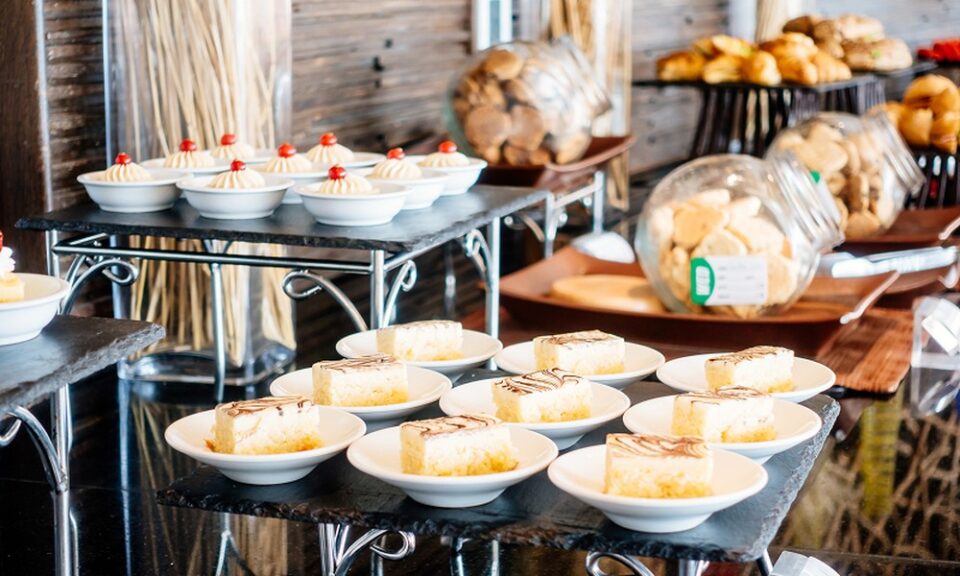
Food selection influences how guests perceive the event, particularly when variety reflects attention to detail. A broader spread supports different preferences and dietary considerations, which becomes more relevant as guest profiles diversify. High tea buffet catering allows organisers to present a mix of savoury and sweet items that accommodate varied tastes. Tea break catering focuses on simplicity, which works well when the priority is convenience rather than variety.
4. Venue Space and Layout Considerations
Available space affects how catering is presented and accessed during the event. Larger buffet setups require room for serving stations, which may not fit easily into compact meeting spaces. High tea buffet catering often involves multiple display areas, which encourages movement but requires careful planning. Tea break catering adapts more easily to limited space through compact arrangements that keep the setup efficient and accessible.
5. Guest Profile and Event Tone
Different audiences respond to catering in different ways, depending on expectations and context. Formal gatherings may benefit from a more elaborate setup that reflects the tone of the occasion. High tea buffet catering suits events where presentation and experience contribute to the overall perception. Simpler catering formats align better with internal sessions or workshops where practicality takes priority over presentation.
6. Beverage Options and Pairings
Drinks play a supporting role in shaping the overall catering experience, especially when paired with food selections. Standard options such as coffee and tea meet basic needs, yet expanded selections can enhance the break. High tea buffet catering often includes a wider range of beverages that complement the food spread. Tea break catering keeps beverage choices straightforward, which supports quick service and minimal disruption.
7. Setup and Turnaround Requirements
Catering logistics influence how smoothly an event progresses, particularly when the time between sessions is limited. Larger setups require additional preparation and coordination, which must align with venue access and scheduling. High tea buffet catering involves a more detailed arrangement, which can affect how quickly the space becomes ready for use. Tea break catering supports faster setup and cleanup, making it suitable for events with tighter timelines.
Conclusion
Choosing the right catering format depends on how well it fits the structure and purpose of the event rather than the scale of the menu alone. When organisers consider timing, space, and guest expectations together, they create a more balanced experience that supports both engagement and efficiency. Careful planning ensures that catering enhances the event instead of disrupting its flow.
Contact Elsie’s Kitchen to plan high tea buffet catering that aligns with your corporate event schedule and guest expectations.
