
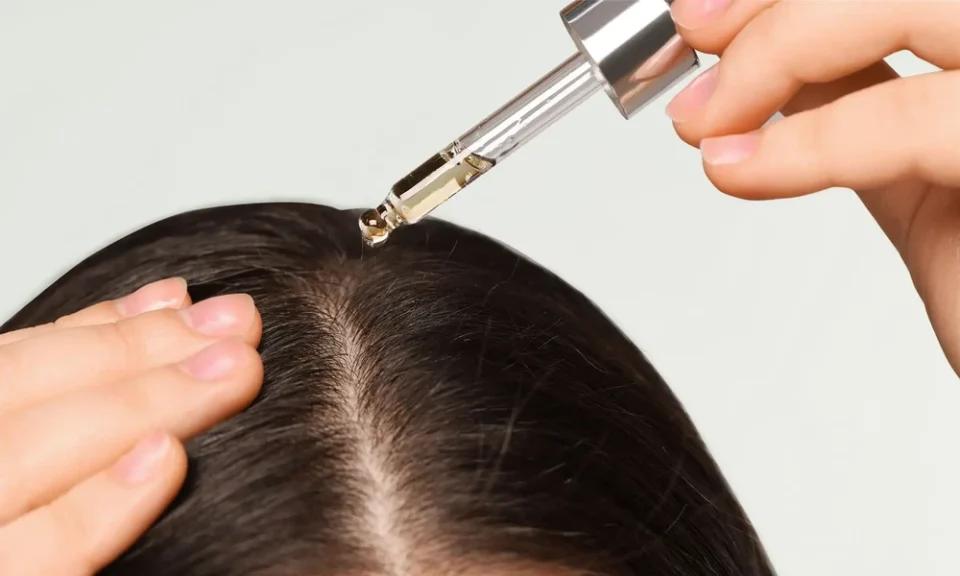
A greasy scalp can become a problem. Do not disregard if your hair looks oily again just a day or two after washing. This usually happens because the oil glands shift into overdrive. They release more sebum, the same natural substance that coats the skin and helps cover hair.
Oil is still needed to keep your hair and scalp healthy. But when there’s a buildup, the hair can look oily and feel uncomfortable. If you want to manage the problem, talk to a healthcare provider for a treatment for an oily scalp.
Dealing With an Oily Scalp
There are plenty of reasons you may be experiencing an oily scalp. That’s why it is very important that you know when to seek professional help. An oily scalp may seem like a minor problem. However, persistent problems may require medical treatment. Here’s when to seek professional treatment.
Hair Is Greasy Soon After Washing
You might not think that an oily scalp is a major issue. However, you may want to get help if your hair becomes oily soon after you rinse it. Some oiliness in your scalp is normal. Still, persistent greasiness can mean your wash method isn’t working for your scalp. It can also be a sign that it is time to have someone check what is going on.
Persistent Itching
An oily scalp with regular itching can lead to irritation. This is often caused by a buildup of hair products. Sometimes there is an existing skin problem. Scratching often makes it worse. It can also damage the skin on your scalp. If the itch does not improve with mild washing or if it starts to disrupt your day, see a qualified health professional.
Flakes and Redness
If oily scalp comes with yellowish flakes, redness, or swelling, seborrheic dermatitis could be the cause. This commonly affects areas with higher oil production. A doctor can help determine the possible cause of these symptoms. They can also help decide whether other treatments are needed.
Home Treatments Are Not Working
It is very important to start with basic home remedies for an oily scalp. You can try washing a little more often or waiting a bit longer, depending on what you feel your scalp needs. Only use a gentle shampoo. It is best to avoid heavy products that cling and build up.
It is not a good sign if you see little improvement. You have tried to make changes to your hair and scalp routine. However, nothing seems to help. This might be the right time to seek professional help. If the greasiness returns again, do not disregard. A professional can help you determine the causes you might not catch on your own.
Choosing a Dermatologist
If your scalp oiliness does not resolve easily, a dermatologist is often the right choice. This matters more if you also have other symptoms. Look for a licensed dermatologist with experience in scalp problems. Review their credentials before you decide. It is very important that you find someone who can help you deal with an oily scalp.
Conclusion
Having an oily scalp does not always mean you need medical attention right away. But if you find it difficult to manage, if greasiness keeps coming back along with other symptoms, it is worth looking closer.
Learning what may be causing it can guide your next steps. It also helps to know when home care is not doing you any good. A dermatologist can check what is going on with your scalp. They can then suggest a plan for treatment and management.
