
Key Takeaways
- A golf lesson for children usually focuses on enjoyment, coordination, and simple movement habits.
- Teenagers often receive more technical coaching as their strength and competitive interest increase.
- Adult golf lessons commonly prioritise consistency, efficiency, and injury prevention.
- Coaching methods, lesson pacing, and communication styles are adjusted according to age group.
- Equipment selection and training intensity also vary between children, teenagers, and adults.
Introduction
A golf lesson is not taught the same way to every player. Age, physical development, attention span, and playing goals all affect how instructors structure coaching sessions. Children usually need simple and engaging lessons, while teenagers may begin focusing on technical development and competition. Adults, meanwhile, often want practical improvement that fits around work and personal schedules.
Professional golf coaches adjust lesson plans to match the player’s stage of development. These adjustments include communication style, practice intensity, swing instruction, and even equipment recommendations. Knowing how coaching changes across different age groups explains why golf instruction is rarely approached with a single teaching method.
Golf Lessons for Children Focus on Enjoyment
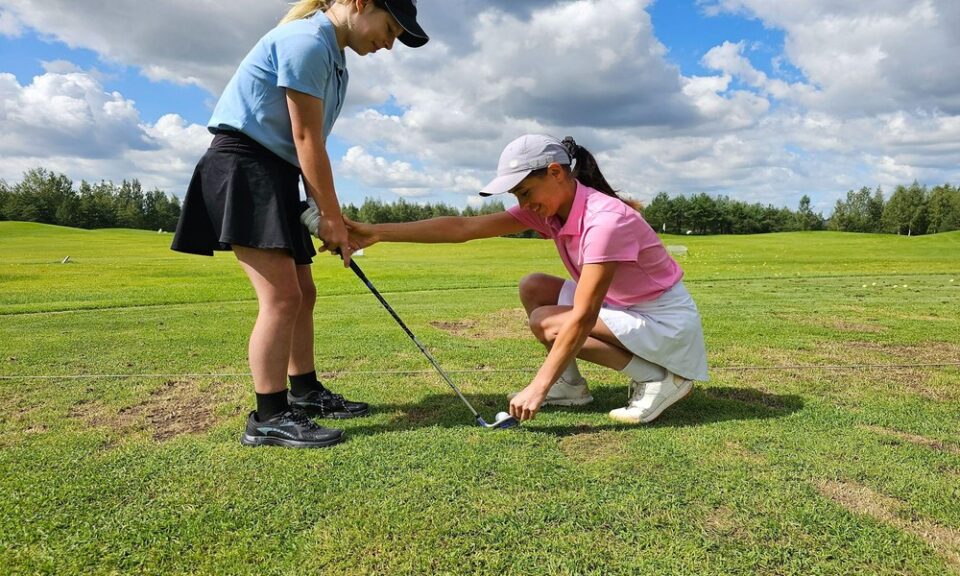
Children usually learn more effectively when golf lessons are active and enjoyable. Coaches often avoid excessive technical explanations because younger players may struggle to process complex swing mechanics. Instead, junior sessions commonly focus on grip, posture, balance, and hand-eye coordination through games and simple drills.
A golf lesson for children also tends to include shorter activities to maintain concentration. Coaches may rotate between putting, chipping, and driving practice to keep the session engaging. Many instructors prioritise confidence-building over immediate technical perfection because long-term interest in the sport is often more important during the early stages.
Equipment adjustments are another major part of junior coaching. Lightweight clubs and shorter shafts help children swing more comfortably and safely. Coaches also avoid pushing young golfers too hard physically, since strength and flexibility are still developing. The overall goal is usually to create positive habits while helping children enjoy learning the sport.
Teen Golf Lessons Become More Technical
Teenagers often enter a stage where coaching becomes more detailed and performance-driven. Since physical strength and coordination are improving, instructors can introduce more advanced swing concepts, rotational movement training, and distance control techniques. Teen golfers are generally more capable of understanding technical feedback compared to younger children.
A golf lesson at this stage may include video analysis, launch monitor data, and structured swing correction drills. Teenagers who participate in school or junior competitions may also receive training focused on scoring improvement and tournament preparation. Practice sessions usually become longer and more repetitive to improve consistency.
Coaches may also begin teaching mental aspects of the game, including course management, focus, and emotional control under pressure. Physical conditioning can become more important as well, especially for teenagers pursuing competitive golf seriously.
However, instructors still need to balance technical instruction carefully. Teen golfers can become frustrated when swing changes do not produce immediate results. Effective coaching at this age usually combines technical development with realistic expectations and gradual progression.
Adult Golf Lessons Prioritise Practical Improvement
Adults usually approach golf differently from younger players. Many adults take lessons recreationally, while others return to the game after long breaks. Due to this, coaching sessions are often designed around practical improvement, time efficiency, and injury prevention.
A golf lesson for adults commonly focuses on building repeatable swing patterns and improving consistency. Coaches frequently address ball contact, accuracy, and short-game performance while also considering physical limitations such as reduced flexibility or previous injuries. Since many adults have limited practice time, instructors often recommend realistic drills that can fit into busy schedules.
Communication style also changes with adult students. Many adults prefer direct explanations connected to on-course performance rather than overly technical theories. Coaches may spend more time discussing club selection, scoring strategies, and common playing mistakes that occur during actual rounds.
Technology is also widely used in adult coaching. Video playback and simulator systems allow golfers to understand swing adjustments more clearly within shorter lesson periods. These tools can help adult players make practical improvements without requiring excessive practice hours.
Conclusion
Golf coaching changes significantly depending on whether the student is a child, teenager, or adult. Children usually benefit from fun and simplified instruction, while teenagers often move into more technical and competitive training. Adults generally require lessons focused on consistency, efficiency, and practical improvement.
Although the fundamentals of golf remain the same, the way instructors teach those fundamentals varies across different age groups. A properly structured golf lesson adapts to the golfer’s physical abilities, learning style, and personal goals, helping players improve more effectively at every stage of life.
Contact clubFACE to book a structured golf lesson today and train with guidance suited to your playing level and goals.
